The Plastic Fantastic
Exploring the life of plastic between material ecologies, anthropocene imaginaries, psychic life and animist practices.
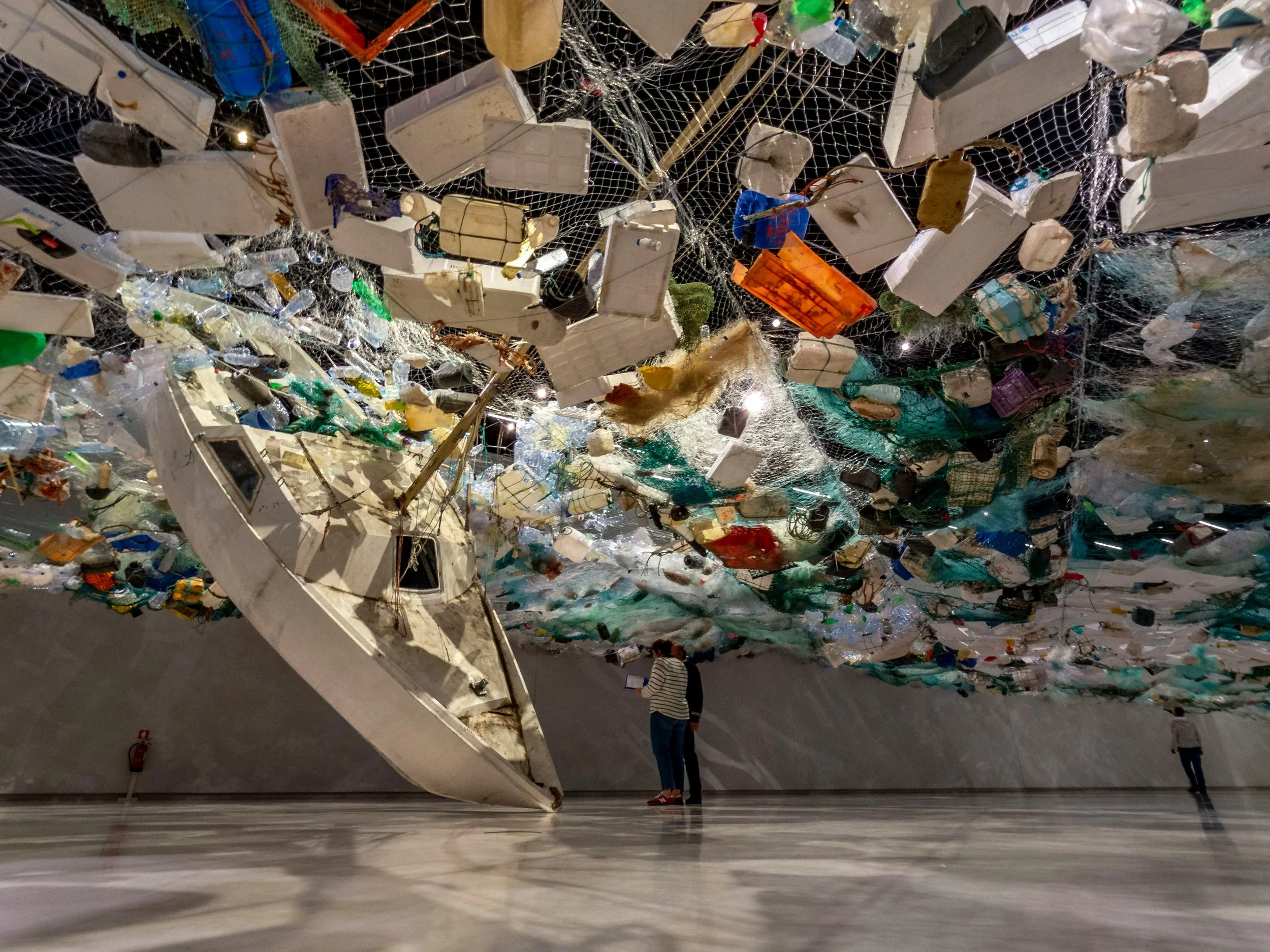
Contamination of the biosphere by plastics is one of the most pressing and perceivable issues of contemporary ecological catastrophe. There is much ongoing scientific research that extensively indexes the distribution and ecotoxicological impacts of plastic waste. Yet as a vast and therefore strangely unknowable “hyperobject”, plastic is a particularly unwieldily matter when it comes to integration in psychic life or popular imaginaries.
Greater attention must be given to how plastics are subjectively experienced, from the most spectacular to more mundane dimensions of their presence. Via fieldwork, interviews, collaborations, exhibitions and events, and I aim to develop deeper insights into the contemporary life of plastic and the new modes of living alongside it emerging from citizen science, activism, and creative “plastic arts”.
Without eliding common feelings of overwhelm and ambivalence, I hope to find ways in which to go beyond repression, abjection or total paralysis to re-make plastic in the psychic life of contemporary subjectivity - as something which is becoming integrated within embodied existence via new forms of relation.
Erotic Kingdoms
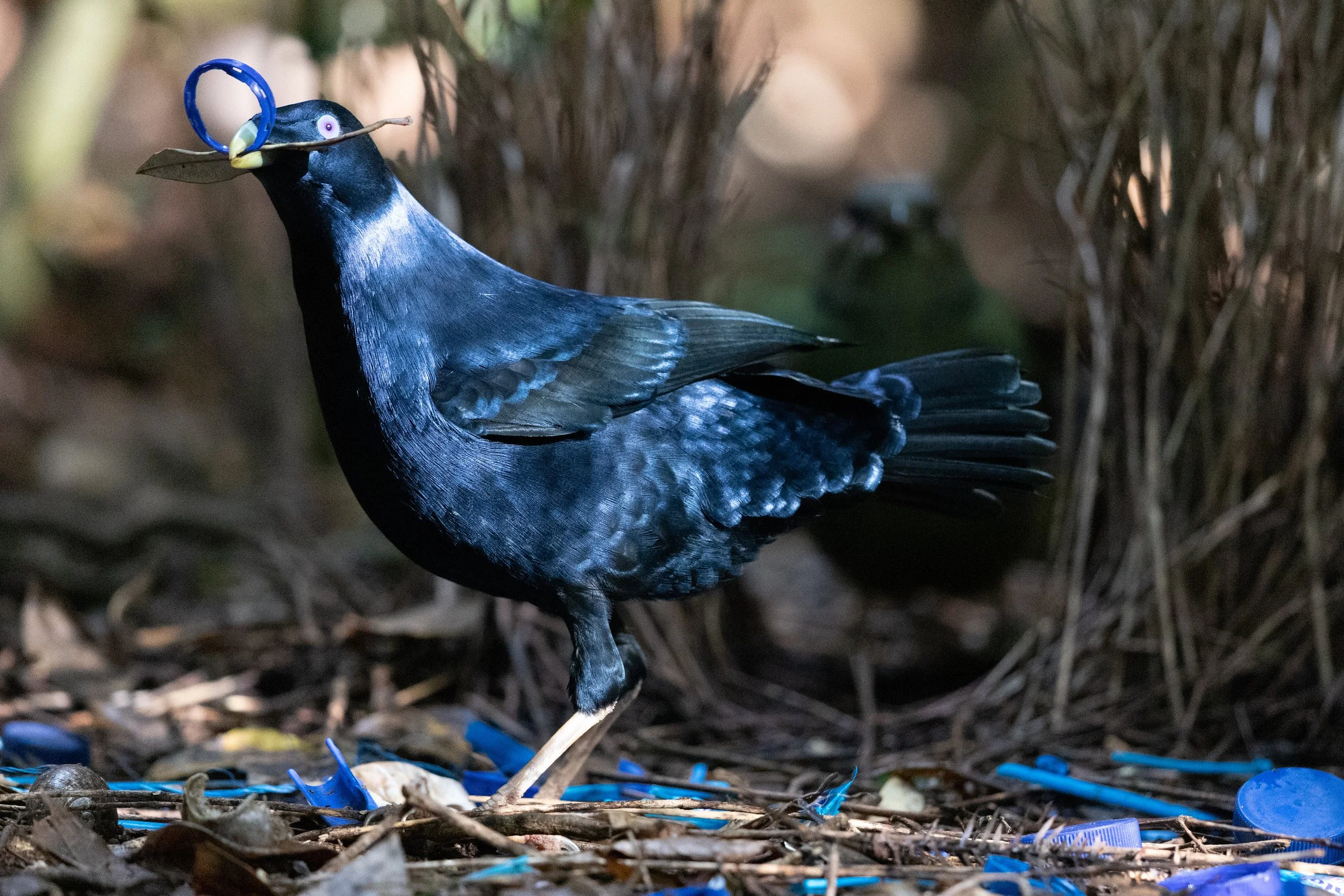
In collaboration with Dr. Rebecca Reynolds, this research brings together psychoanalysis, animal studies, feminist philosophy, new materialism and queer science and technology studies to develop an expansive framework of sexual ethics by which to relate to the complexities of ecological life today.
Be it through complex mating dances, architectural seductions, or communicative physical transformations, even non-human sex displays symbolic components. Instead of erasing these intimacies, or mining them for the means of displacing human notions of normativity, we wish to attend to the alternative systems of meaning that more-than-human sexualities generate, particularly amidst compromised conditions of existence.
If the realm of eroticism is one that entangles the visceral materiality of the body with the motility of the symbolic, the sheer variability and specificity of forms which emerge from this interplay calls for a mode of recognition that neither others nor engulfs. By identifying an expansive realm of erotic life-making, and the myriad forms of being and knowing it gives rise to, we hope to enrich our own practices of care and creativity as we confront times of pervasive destruction.
Plasticité Féminine
Working with a trans-national archive of womxn’s writing and cinema, my doctoral research expands understanding of contemporary mutations of biopower and embodiment.
My doctoral research responds to Catherine Malabou’s philosophical elaboration of plasticity - particularly her evocative but under-explored argument that plasticity disrupts the binary of essentialism/anti-essentialism and allows for a renewal of the feminine and essence (Changing Difference, 2011). Across five chapters, I attend to various schemas of being and becoming emerging from feminist-artistic engagements with epigenetic, ecological, neurobiological and digital materialities and explore the new contours of embodied subjectivity that emerge from times of immense and unprecedented transformations.
Putting Malabou’s notion of plasticity as the ‘motor-scheme’ of our era into conversation with contemporary womxn’s writing and cinema allows for deeper understanding of the specific conditions in which corporeal life is shaped by various material agencies and, in some instances, transformed beyond recognition.
Bio-ontological orientations towards bodies and their environments appear to break from, or exceed, the scope of feminist approaches to subjectivity through the lens of sexual difference. However, I argue that the dynamic manifestations of phallogocentric violence and radically recalcitrant matters within such “intra-active” assemblages, underscore the need for, and the possibility of, a kind of feminine resistance to ongoing threats of totalising rigidification, malleable manipulation, or total dissolution.
Taken together, my archive of literary and filmic works are attuned to complex configurations of the present through engagements with ‘womxn’ as a material-discursive agency whose multiple configurations across time, space and place exceed phallogocentric framings.
Écriture féminine was a theoretical-artistic concept that responded to the post-structuralist turn in philosophical thought by imbuing feminine negativity with symbolic power. With my concept of plasticité féminine, I propose that the schemas of vitality and vulnerability these artworks generate may amount to a renewal of the feminine through the radically resistant material transformability of bodies, worlds, and the forms of relation they give rise to.
A copy of my thesis is available here.