I am a passionate educator with seven years of experience in Higher and Further Education. My teaching philosophy and practice is particularly informed by critical pedagogies, creative experiment and collaborations.
I am dedicated to co-producing knowledge that helps us better navigate the complexity of our times. Since 2023, I have taught at The City Literary Institute, designing and delivering courses for the Literature, Film and Culture programmes. I also run my own online courses and in-person art workshops.
My courses all have a strong orientation to interdisciplinary methods and reflect my diverse research interests in contemporary literature and film, feminist and queer theory, psychoanalysis, science and technology studies and the medical and environmental humanities. I aim to create an inclusive, engaging space of lively discussion for those looking to expand their knowledge and critical thinking practice. You can see my past and current offerings below.
Upcoming classes + events
-
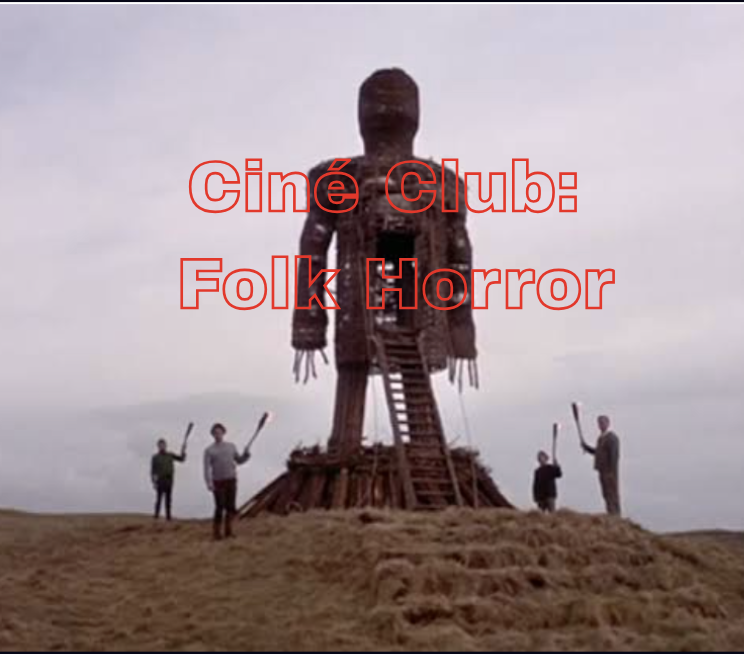
In this Ciné Club we will delve into unsettling landscape of folk horror films and consider how this genre, which is having a renaissance today, comes to bear on broader questions about human identity and culture.
Through a selection of films that reflect both canonical classics of the genre, and innovative re-tellings, we will the explore th evolution and surging popularity of folk horror in the twenty-first century, focusing on the ways in which filmmakers continue to redefine the genre or and re-invent common archetypes.
Possible films might include:
- The Wicker Man (Robin Hardy, 1973)- A Field in England (Ben Wheatley, 2013)- Midsommar (Ari Aster, 2019)- You Are Not My Mother (Kate Dolan, 2021)- Lamb (Valdimar Jóhannsson 2021)- Starve Acre (Daniel Kokotajlo, 2023)
Perfect for cinephiles, horror fans, and anyone curious about the way that folklore evolves and aquires new forms in the modern world.
You can find the full course outline and sign up via the City Lit course directory.
-
Sat 17.10.26 16:30 - 18:00
@House of Annetta - upstairs room
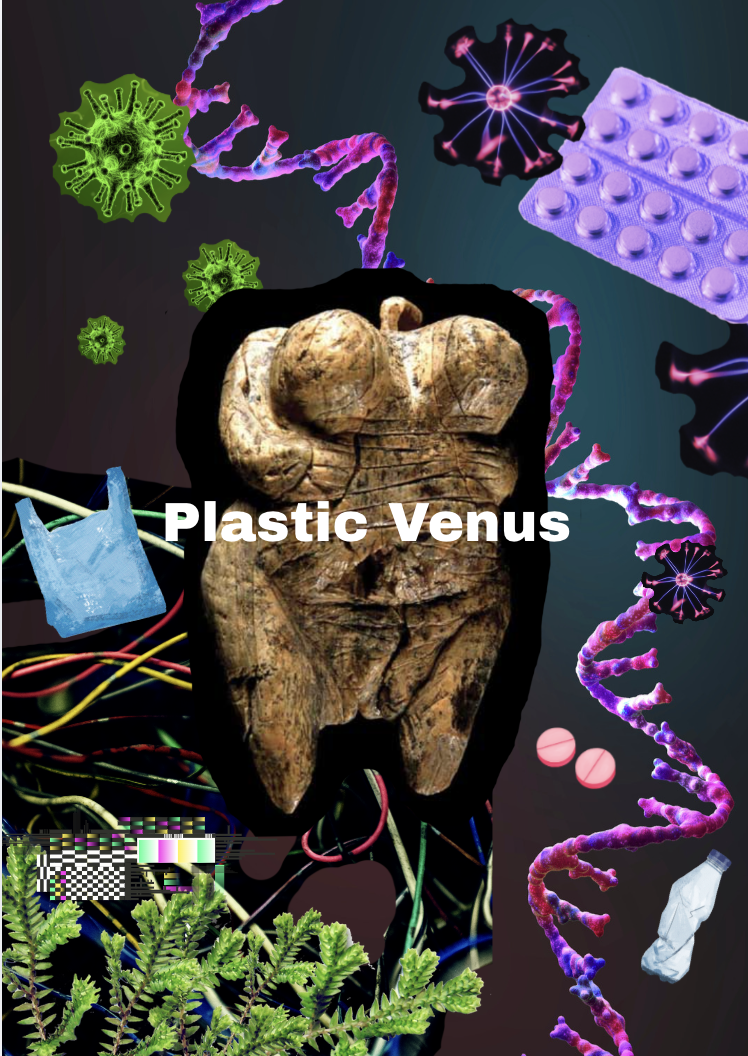
This playful workshop is a blend of group discussion and collaborative arts practice, centred upon the “plasticity” of the body: how our bodies are mutable, relational and environmentally-entangled in ways that exceed fantasies of individual control or optimisation.
Coming from a queer-feminist, anti-colonial, anti-capitalist and neurodivergent perspective, we will consider how the body today is often understood as something to be managed, modified and optimized - from wearable technologies and beauty and wellness trends, to pharmaceutical interventions and “brain training” - and ask what other possibilities plasticity might offer.
Across an hour and a half session, we will explore various dimensions of the plastic body that have been brought to light by the biosciences, reflect on our own experiences of the strange mutations taking shape in contemporary culture, and translate these reflections into a sculptural practice.
Using clay and a mix of materials - plastic and technological waste, plant and mineral matters, found objects and ephemera - participants will craft an “amulet against optimization”: a small figure inspired by the 40,000-year-old Venus of of Hohle Fels, one of the earliest known representations of the human body in sculpture.
Through this process, we will explore how the plasticity of our bodies could be a source of resistance: grounding collective practices of care and alternative imaginaries of human nature. Participants will come away with an object imbued with these reflections: a touchstone for imagining forms of identity and embodiment that resist consumer-capitalism and oppressive hierarchies of gender, race, class and ability.
-
This literature course takes inspiration from eminent writer Ursula Le Guin and engages with science fiction as a genre that is uniquely able to challenge and unsettle the traditional assumptions about human nature, culture and technology.
Across six weeks we will read short-stories and extracts from widely celebrated science fiction texts written by a variety of authors from the twentieth and twenty-first centuries. We will contemplate how sci-fi world-building may enrich psychic and social life and help us grapple with the complex politics of the present.
For those who have taken the course before, the selection of texts will be different every time it runs - meaning that students can re-enrol and continue to expand their literary horizons.
You can find the full course outline and sign up via the City Lit course directory.
-
Twenty-first century culture is becoming increasingly strange: from conspiracy theories and climate anxiety to the well-ness industrial complex and compulsive doom-scrolling. This course will explore these and other phenomenon endemic to the present, analysing and exploring their significance through psychoanalytic theory and a variety of texts, films, artworks and cultural objects.
-
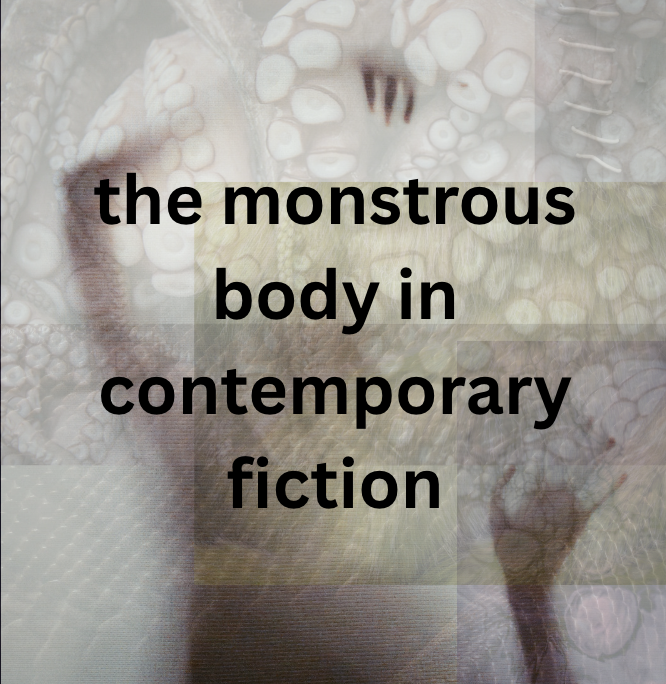
In this literature course we will read, analyse and discuss a variety of contemporary fiction that give innovative representations of the body and its myriad forms of monstrosity. Since Mary Shelley’s seminal text Frankenstein, the unruly powers of non-conforming, hybrid bodies and identities have been a mainstay of women’s writing and queer literature, both within and beyond horror, science-fiction and fantasy genres. Through comparative analysis and class discussion we will focus on how representations of the body in contemporary fiction by female and queer authors from around the world surface new cultural anxieties and modes of resistance.
You can find the full course outline and sign up via the City Lit course directory.
-
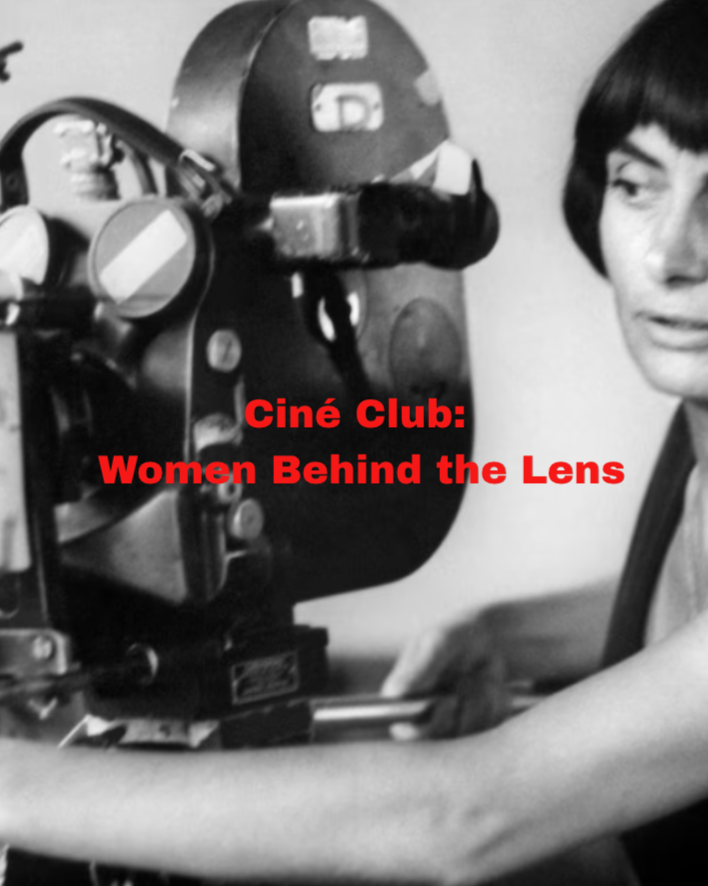
In this Ciné Club we will watch the films of pioneering women directors and discuss how their work stands to enrich the established conventions of cinema as well as our approaches to the world beyond the screen.
The selection of films reflects both canonical classics from film history and innovative new voices from around the globe. For those who have taken the course before, the selection of films will be different every time it runs – meaning that students can re-enrol and continue to expand their cinematic horizons.
You can find the full course outline and sign up via the City Lit course directory.
-
This literature course takes inspiration from eminent writer Ursula Le Guin and engages with science fiction as a genre that is uniquely able to challenge and unsettle the traditional assumptions about human nature, culture and technology.
Across six weeks we will read short-stories and extracts from widely celebrated science fiction texts written by a variety of authors from the twentieth and twenty-first centuries. We will contemplate how sci-fi world-building may enrich psychic and social life and help us grapple with the complex politics of the present.
For those who have taken the course before, the selection of texts will be different every time it runs - meaning that students can re-enrol and continue to expand their literary horizons.
You can find the full course outline and sign up via the City Lit course directory.
-
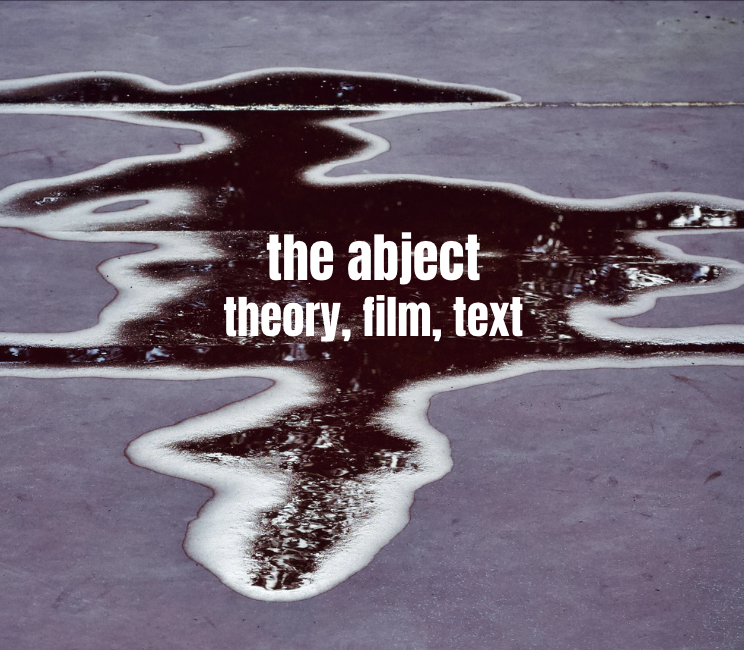
This Culture course will give students an opportunity to explore Julia Kristeva’s influential concept of the abject via theory, film and a variety of literary texts. Across six weeks we will cover a range of ways in which the abject has been taken up by thinkers and artists in the twentieth and twenty-first century to bring about confrontations with what is often excluded, condemned or repressed in human subjectivity and society.
You can find the full course outline and sign up via the City Lit course directory.
-
In this literature course we will read, analyse and discuss a variety of contemporary fiction that give innovative representations of the body and its myriad forms of monstrosity. Since Mary Shelley’s seminal text Frankenstein, the unruly powers of non-conforming, hybrid bodies and identities have been a mainstay of women’s writing and queer literature, both within and beyond horror, science-fiction and fantasy genres. Through comparative analysis and class discussion we will focus on how representations of the body in contemporary fiction by female and queer authors from around the world surface new cultural anxieties and modes of resistance.
You can find the full course outline and sign up via the City Lit course directory.
-
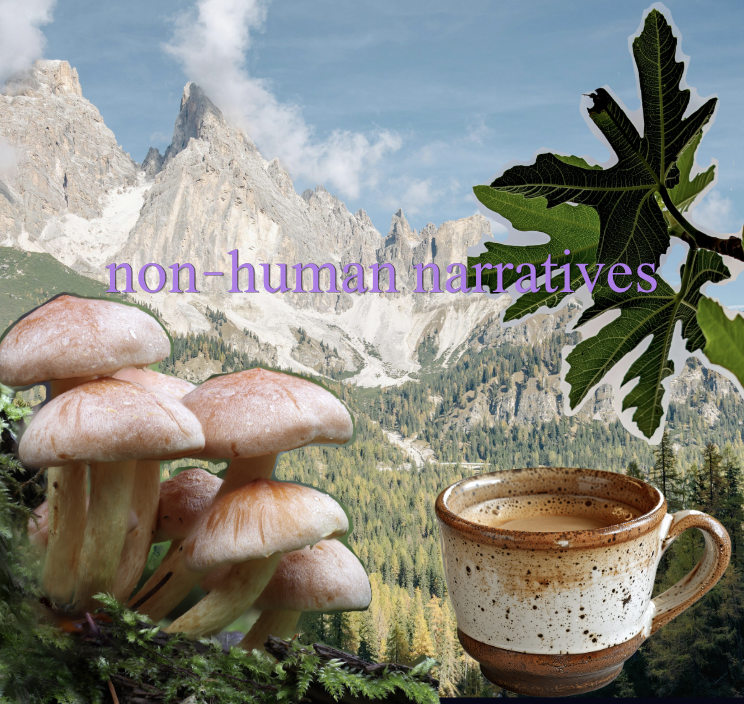
In this short literature course, we will explore works that move beyond the conventions of human-centred narrative to include the voices animals, plants, landscapes, and other more-than-human entities. We will consider the renewed popularity of this literary form and how centring the perceptions of those being which are usually excluded from definitions of sentient life is becoming increasingly important in contemporary contexts.
You can find the full course outline and sign up via the City Lit course directory.
Past classes +events

-
This summer reading club will run online every Sunday evening for six weeks, beginning August 16th. Each week we will discuss a pair of remarkable short stories - both beloved classics and exciting contemporary voices from around the world., with each session centred around a particular set of themes, genres, and literary techniques.
Perfect for those looking to keep up their reading practice over the summer months and expand their literary horizons through a carefully curated selection of both beloved classics and exciting contemporary voices from around the world.
Find out more or sign up via my contact form.
-
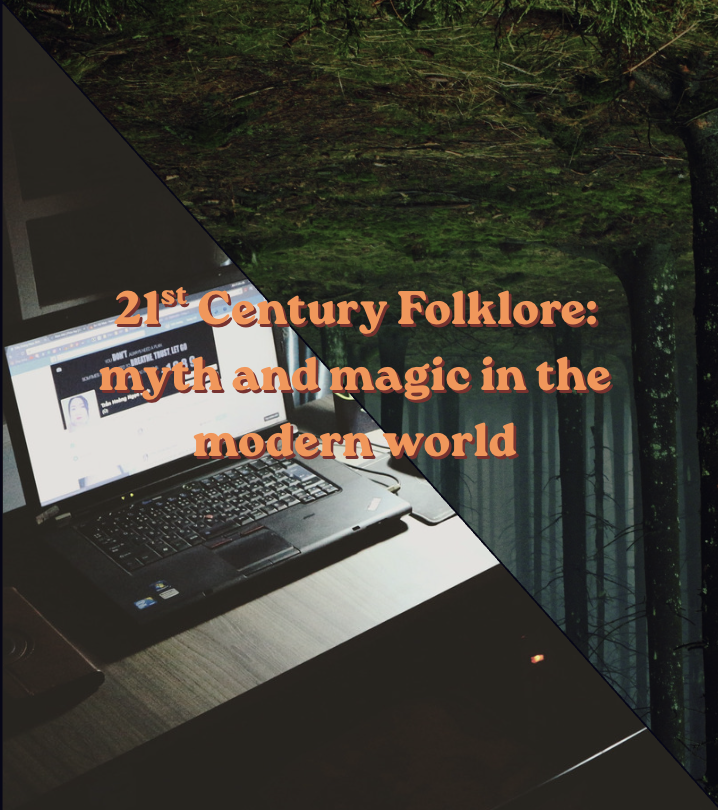
This course focuses on innovative twenty-first century fiction from around the globe which reworks folkloric traditions to grapple with conditions of twenty-first century life.
As well as engaging with the unique folkloric influences each text draws on, we’ll consider the complexities of the present that they are addressed to – and how the rising popularity of ghost stories, fairy tales, dark fables and surreal myths suggests a renewed fascination with the intrigues of the mysterious, monstrous and inexplicable.
-
In this short literature course, we will explore works that move beyond the conventions of human-centred narrative to include the voices animals, plants, landscapes, and other more-than-human entities. We will consider the renewed popularity of this literary form and how centring the perceptions of those being which are usually excluded from definitions of sentient life is becoming increasingly important in contemporary contexts.
You can find the full course outline and sign up via the City Lit course directory.
-
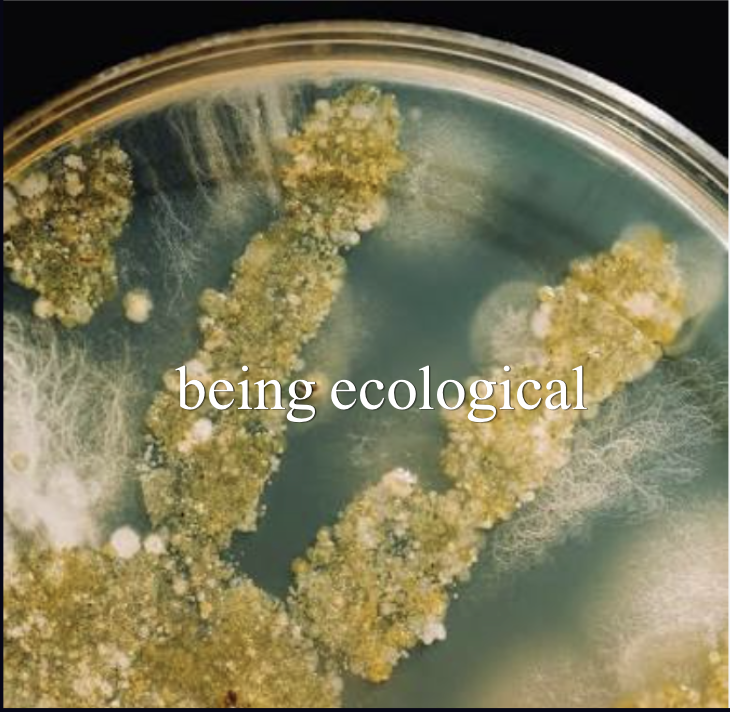
This course will introduce students to exciting initiatives in twenty-first century cultural discourse that attempt to reconceptualise what an ecological consciousness might be or feel like. Drawing on theoretical and literary texts, films, performance art, and political activism, we will explore radical ways of rethinking and reinhabiting our relations with more-than-human worlds, and how they open new possibilities for living on a damaged planet.
-
This summer reading club will run online every Sunday evening for eight weeks, beginning July 7th.
Each week we will discuss a pair of remarkable short stories - both beloved classics and exciting contemporary voices from around the world., with each session centred around a particular set of themes, genres, and literary techniques.
Perfect for those looking to keep up their reading practice over the summer months and expand their literary horizons through a carefully curated selection of both beloved classics and exciting contemporary voices from around the world.
Find out more or sign up via my contact form.
-
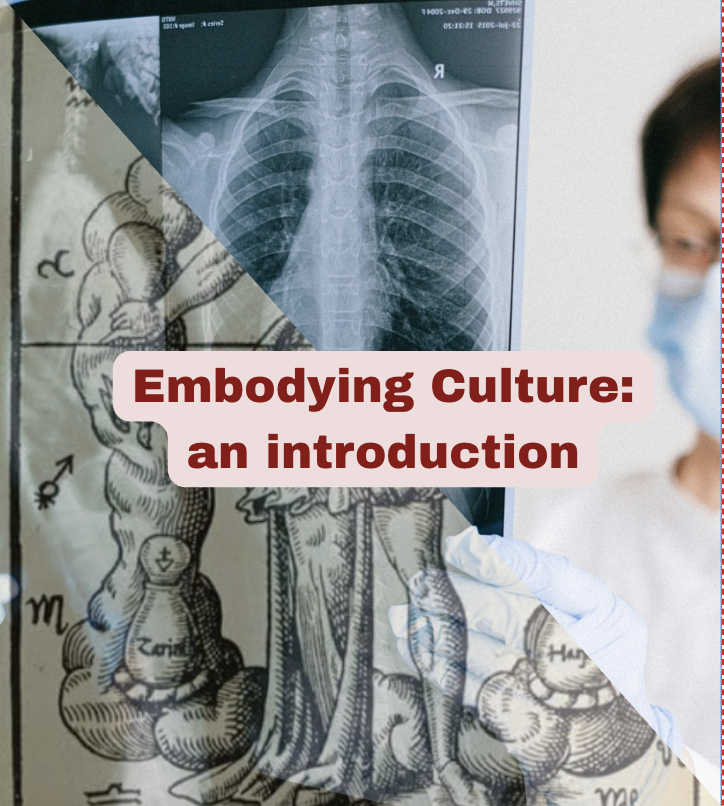
In this Culture course, we will look at how thinkers from philosophy, anthropology, science and technology studies, psychoanalysis, and gender and sexuality studies have approached the task of interpreting the significance of embodied life.
We will consider the dual question of how culture shapes our bodies and how our bodies reshape and even disrupt culture?
-
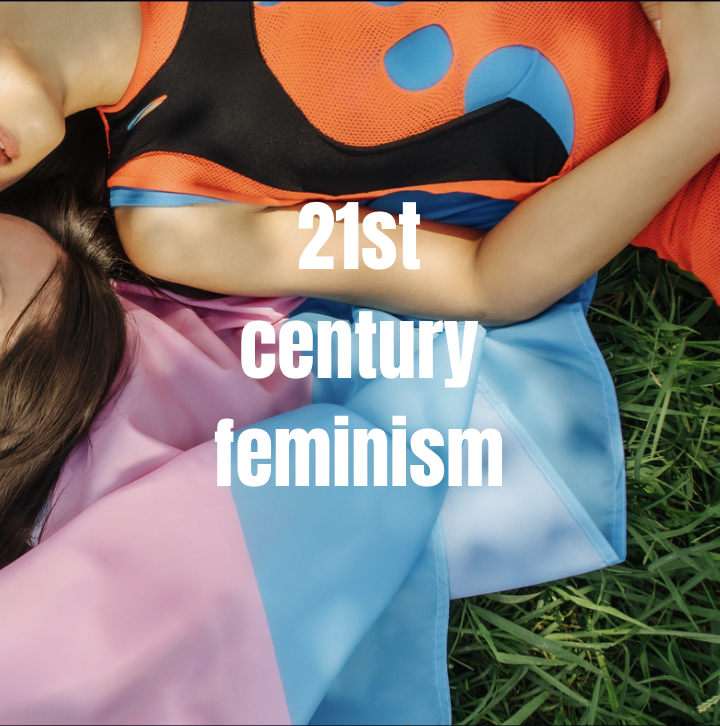
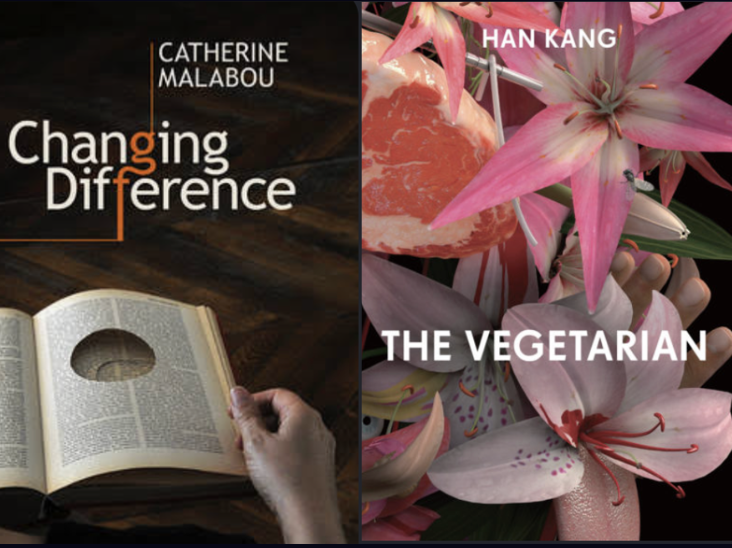
In the twenty-first century, feminist theories of othering and oppression, identity and relation, sex and sexuality come into new life. From trans-medicine and Artificial Reproductive Technologies to climate crisis and internet activism, feminism remains at the forefront of struggles for a more just and inhabitable world.
This course will explore how feminist thought is undergoing significant transformations to meet these and other challenges of our times.
-
This literature course takes inspiration from eminent writer Ursula Le Guin and engages with science fiction as a genre that is uniquely able to challenge and unsettle the traditional assumptions about human nature, culture and technology.
Across six weeks we will read short-stories and extracts from widely celebrated science fiction texts written by a variety of authors from the twentieth and twenty-first centuries. We will contemplate how sci-fi world-building may enrich psychic and social life and help us grapple with the complex politics of the present.
For those who have taken the course before, the selection of texts will be different every time it runs - meaning that students can re-enrol and continue to expand their literary horizons.
You can find the full course outline and sign up via the City Lit course directory.
-
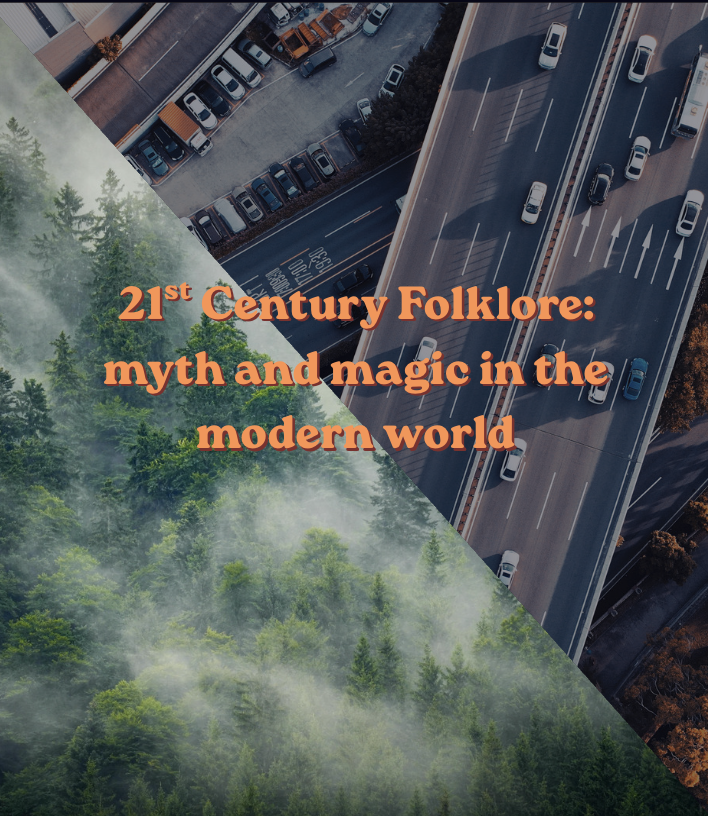
Twenty-first century culture is becoming increasingly strange: from conspiracy theories and climate anxiety to the well-ness industrial complex and compulsive doom-scrolling. This course will explore these and other phenomenon endemic to the present, analysing and exploring their significance through psychoanalytic theory and a variety of texts, films, artworks and cultural objects.
-
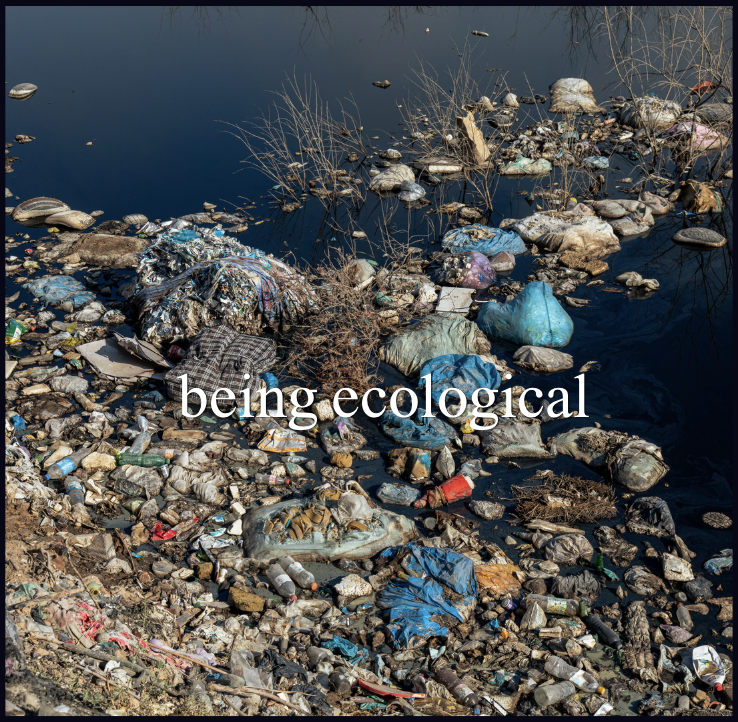
This course focuses on innovative twenty-first century fiction from around the globe which reworks folkloric traditions to grapple with conditions of twenty-first century life.
As well as engaging with the unique folkloric influences each text draws on, we’ll consider the complexities of the present that they are addressed to – and how the rising popularity of ghost stories, fairy tales, dark fables and surreal myths suggests a renewed fascination with the intrigues of the mysterious, monstrous and inexplicable.
-
This course will introduce students to exciting initiatives in twenty-first century cultural discourse that attempt to reconceptualise what an ecological consciousness might be or feel like. Drawing on theoretical and literary texts, films, performance art, and political activism, we will explore radical ways of rethinking and reinhabiting our relations with more-than-human worlds, and how they open new possibilities for living on a damaged planet.
-
This literature course takes inspiration from eminent writer Ursula Le Guin and engages with science fiction as a genre that is uniquely able to challenge and unsettle the traditional assumptions about human nature, culture and technology.
Across six weeks we will read short-stories and extracts from widely celebrated science fiction texts written by a variety of authors from the twentieth and twenty-first centuries. We will contemplate how sci-fi world-building may enrich psychic and social life and help us grapple with the complex politics of the present.
For those who have taken the course before, the selection of texts will be different every time it runs - meaning that students can re-enrol and continue to expand their literary horizons.
You can find the full course outline and sign up via the City Lit course directory.
-
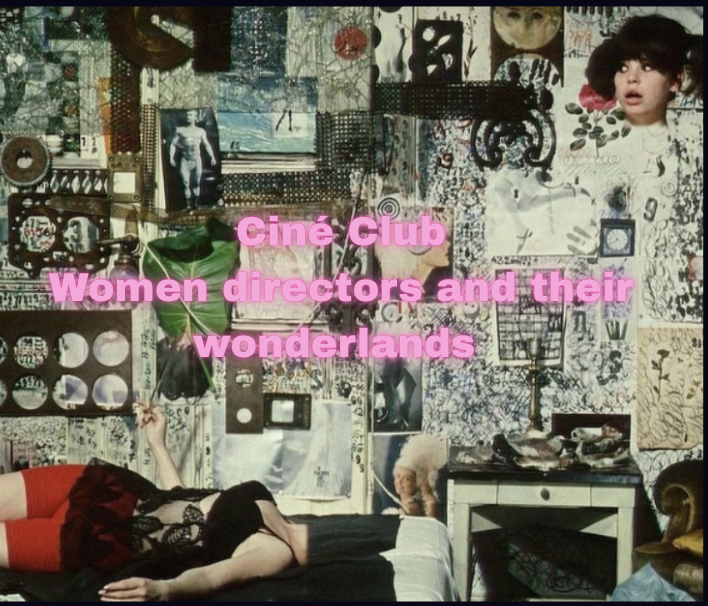
In this course students will be introduced to theories of posthumanism that suggest ways we can embrace ‘monstruous’ identities and ‘mutant’ forms of knowing. Through popular science fiction films and literary texts we will contemplate the complex coming together and apart of bodies-minds-worlds in contemporary culture and explore experiences of hybridity and metamorphosis.
-
In this Ciné Club we will watch the films of pioneering women directors and discuss how their work stands to enrich the established conventions of cinema as well as our approaches to the world beyond the screen.
The selection of films reflects both canonical classics from film history and innovative new voices from around the globe. For those who have taken the course before, the selection of films will be different every time it runs – meaning that students can re-enrol and continue to expand their cinematic horizons.
You can find the full course outline and sign up via the City Lit course directory.
-
In the twenty-first century, feminist theories of othering and oppression, identity and relation, sex and sexuality come into new life. From trans-medicine and Artificial Reproductive Technologies to climate crisis and internet activism, feminism remains at the forefront of struggles for a more just and inhabitable world.
This course will explore how feminist thought is undergoing significant transformations to meet these and other challenges of our times.
-
Twenty-first century culture is becoming increasingly strange: from conspiracy theories and climate anxiety to the well-ness industrial complex and compulsive doom-scrolling. This course will explore these and other phenomenon endemic to the present, analysing and exploring their significance through psychoanalytic theory and a variety of texts, films, artworks and cultural objects.
-
This course will introduce students to exciting initiatives in twenty-first century cultural discourse that attempt to reconceptualise what an ecological consciousness might be or feel like. Drawing on theoretical and literary texts, films, performance art, and political activism, we will explore radical ways of rethinking and reinhabiting our relations with more-than-human worlds, and how they open new possibilities for living on a damaged planet.
-
Full details here.
-
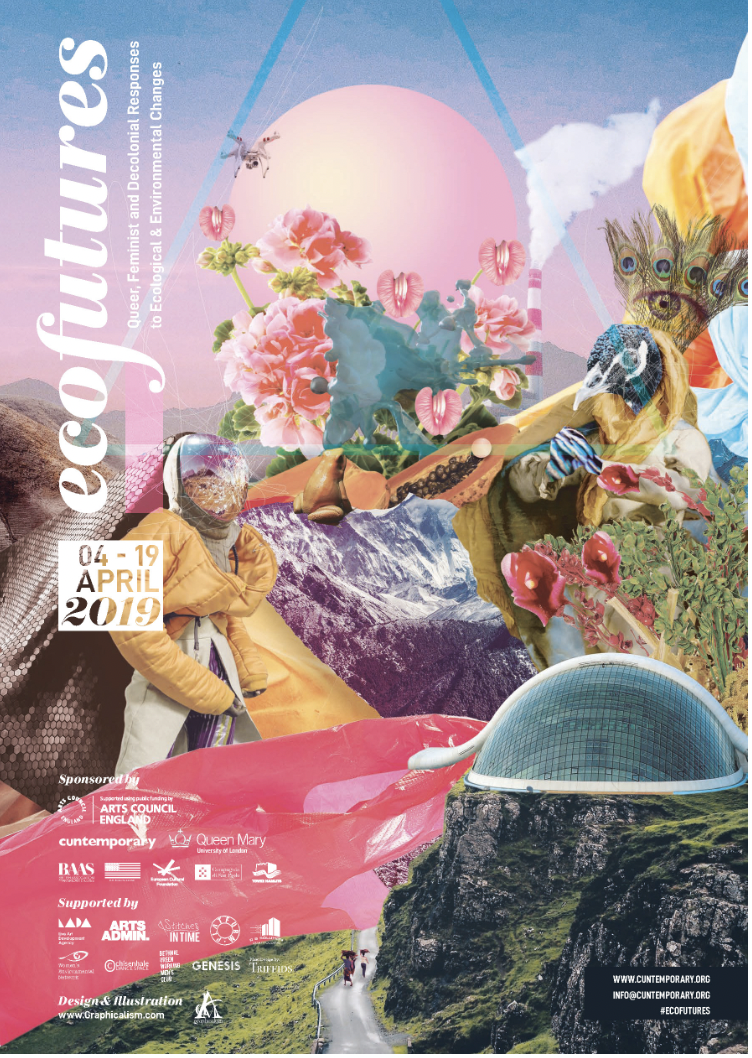
This one-day international conference brings together artists, theorists and activists to cover topics ranging from non-human ethics to ecosexuality. Invited guests include Gaia Giuliani, João Florencio and Silvia Federici. Artworks by Wangechi Mutu, Adelita Husni-Bey and Beth Stephens & Annie Sprinkle will be screened for this occasion.
For full program and recordings see cuntemporary.org